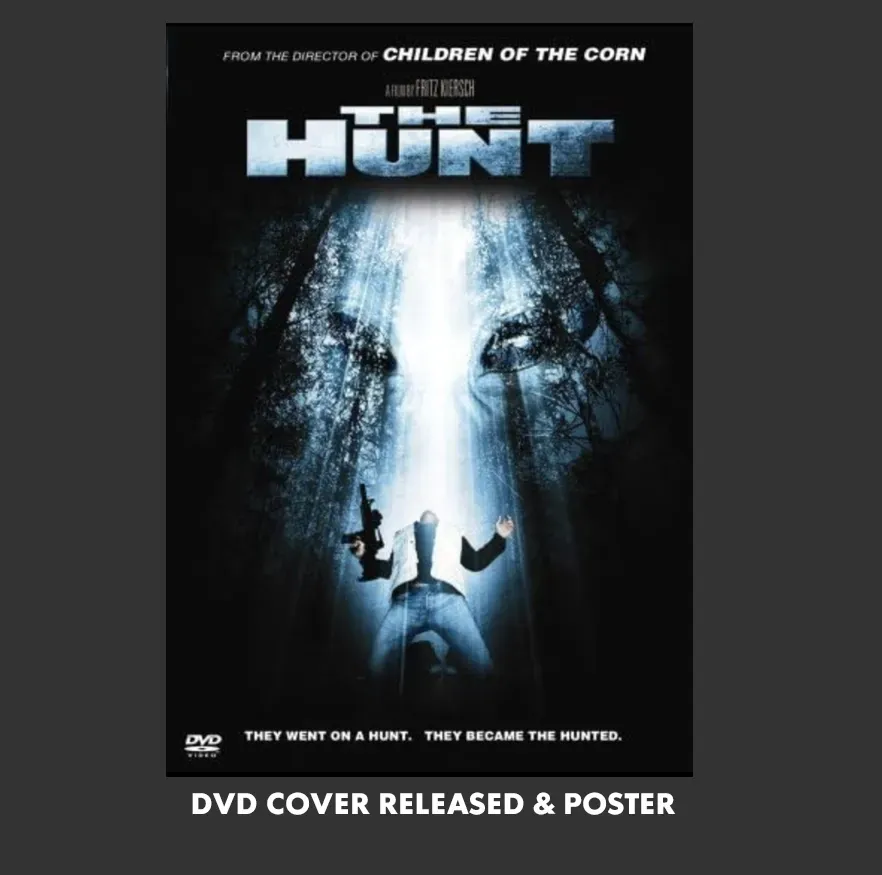


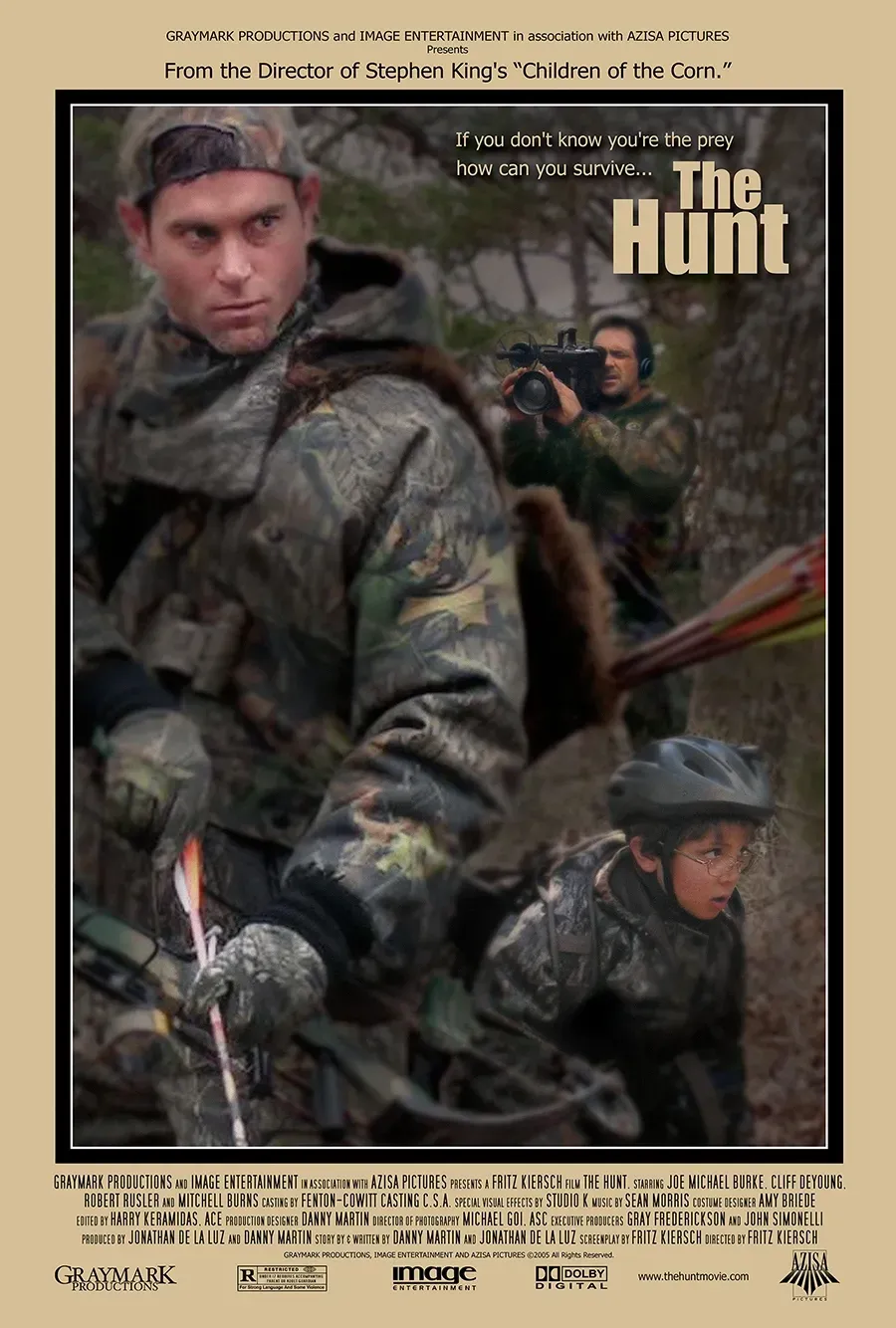
My original design for the movie poster and DVD cover art.
The distribution company chose their design and marketing plan.
Jack Hamburg dreams of turning his passion for deer hunting into a successful instructional video, hoping to earn enough money to provide a better life for his family. With financial help from Clint's father—who reluctantly agrees to finance the project despite his reservations—Jack hires former combat news cameraman Atticus Monroe, a recovering alcoholic struggling to leave his troubled past behind. Their mission seems simple: spend a weekend in the woods, capture the perfect hunt, and return home with the footage needed to produce a video for national retailers.
But after crossing onto restricted government property in search of better game, the three hunters stumble into something far more terrifying than they could have imagined. As night falls, they find themselves pursued through the forest by grotesque alien creatures, armed security teams determined to erase every witness, and Atticus himself, whose return to alcohol slowly pulls him toward madness. Trapped between monsters both human and otherwise, Jack's greatest challenge becomes protecting the young boy caught in the middle.
By dawn, only Clint emerges from the woods alive. The videotapes documenting the horrific events are recovered by his father, who watches in disbelief as the impossible unfolds before his eyes. What follows is a desperate attempt to expose the truth—one that is quietly buried, leaving the tapes as the only surviving record of a nightmare the world was never meant to see.
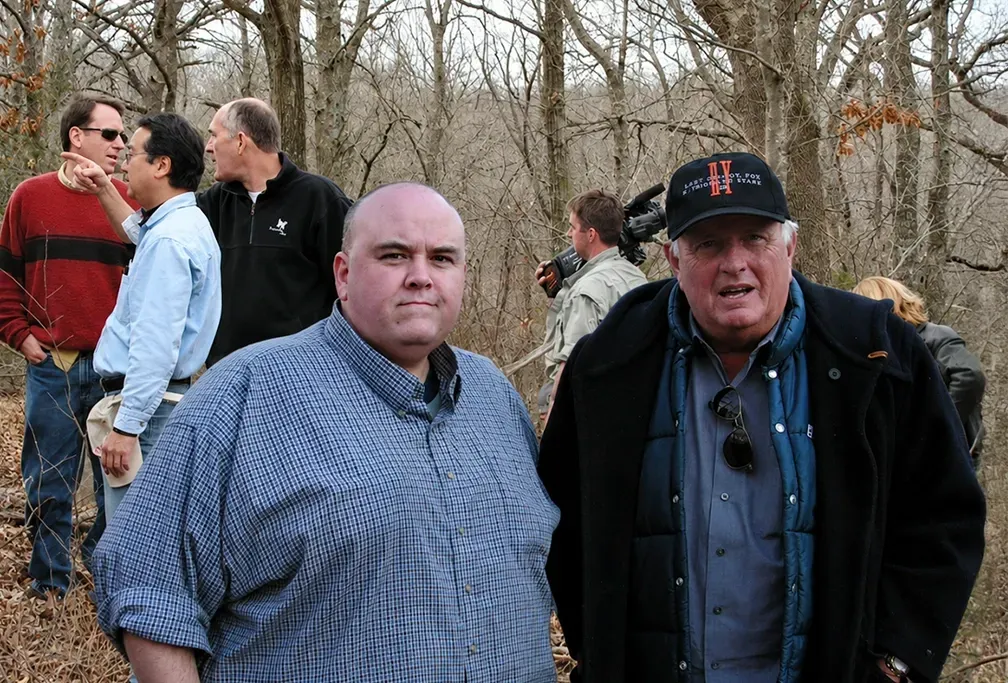
Danny Martin with Gray Frederickson, best known for winning an Oscar as one of the co-producers of The Godfather Part II at the 47th Academy Awards. In addition he was also nominated for Apocalypse Now.
I wouldn't have two feature films to my credit without Gray Frederickson, and I'll always be grateful for the opportunity he gave me. As a first-time writer and producer, he was patient, generous with his knowledge, and always willing to help me navigate the filmmaking process. He later returned as executive producer and line producer on our second feature, Agenda, which we filmed entirely in Longview, Texas.
Working on The Hunt gave me the opportunity to be involved in every stage of a professional feature film, from pre-production through post-production and distribution. After nearly ten years in video production and years studying filmmaking, it was my first opportunity to take a screenplay from concept to completed feature. Watching that process unfold reinforced something I've believed ever since: every creative decision shapes the finished film and the audience's experience. The comparisons that follow represent many of the concepts, designs, and ideas I originally envisioned alongside the direction the production ultimately took.
The best part of filming in Oklahoma was having my daughters, Maci and Danielle, visit me on set. It was a long drive from Longview, Texas, but every mile was worth it. A surprise cold front brought freezing temperatures and sleet, yet sharing those moments with my girls made them unforgettable.
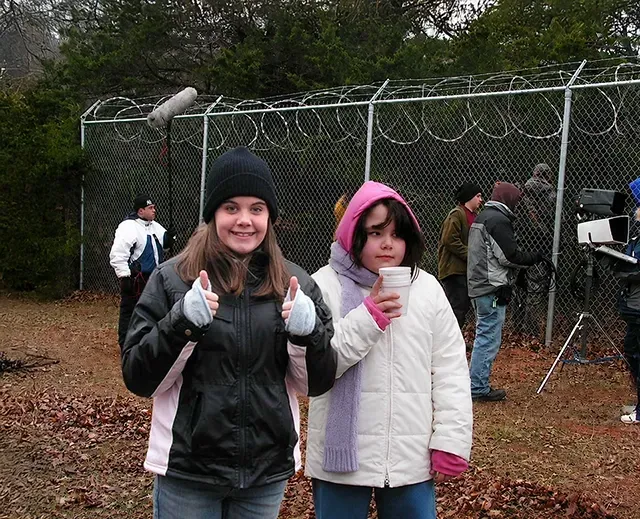
The Cast
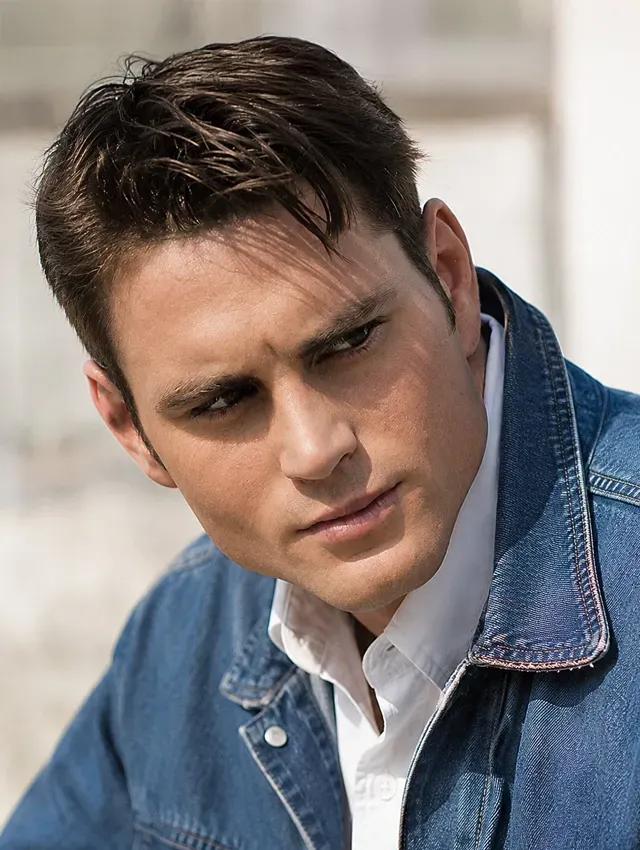
Joe Michael Burke
Jack Hamberg
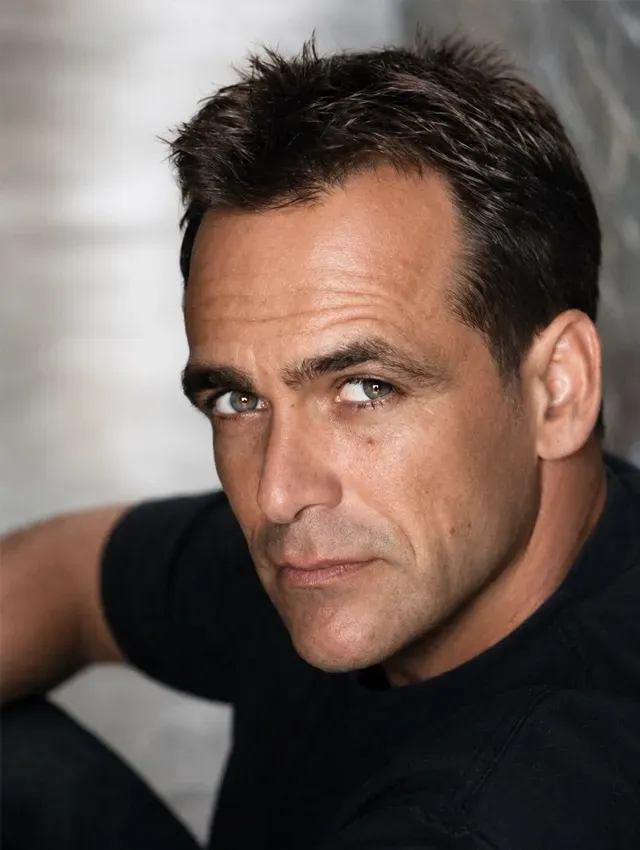
Robert Rusler
Atticus Monreo
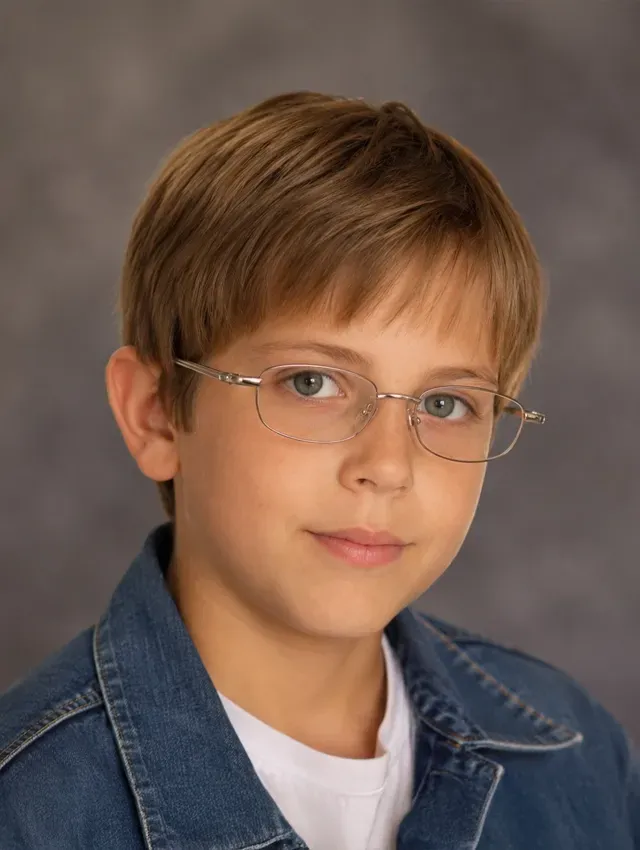
Mitchell Burns
Clint Hamberg

Cliff De Young
Jon Kraw

Becky Love
Jean Kraw
The Hunt Movie Trailer
This was the original trailer I produced and edited for the films release.
The distribution company made their own.
My Vision For The Film
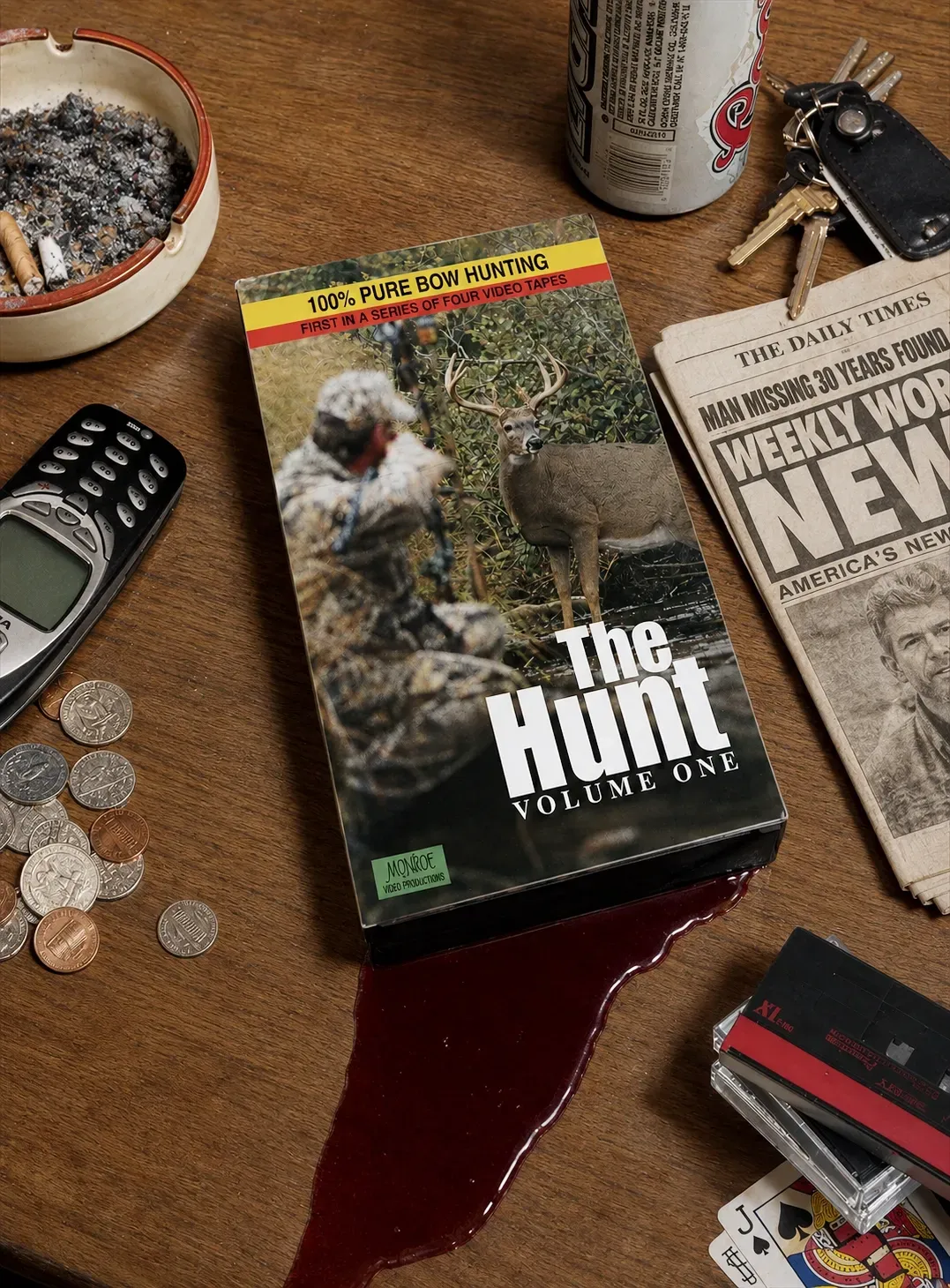
This is the original mock-up for The Hunt movie poster that I created in 2005. The poster at the top of this page was my alternate design, created from footage filmed specifically for the production company to use as the theatrical one-sheet and DVD cover if this concept was considered too non-commercial for release. The DVD cover at the bottom of the page is the version the distributor ultimately designed and released.
Originally, The Hunt wasn't being developed as a studio production. My business partner and I planned to produce it ourselves through Azisa Pictures on a budget of approximately $100,000 using the same prosumer video cameras the story was written around. Before a production company ever became involved, I had already created the creature designs, concept artwork, props, logos, marketing materials, and a mock VHS package because we fully expected to make the film ourselves. Every element was designed to immerse the audience in the mystery before they ever saw a single frame.
The concept was simple: a father, his son, and a cameraman enter the woods to film an ordinary bow hunting video. What they unknowingly capture changes everything. The audience wasn't supposed to know they were watching a science-fiction story. Like The Blair Witch Project, the mystery was the hook. The entire film was designed to be experienced only through the hunters' cameras, making viewers feel as though they were watching authentic recovered footage. That concept convinced Gray Frederickson that The Hunt could be produced through his distribution agreement with Image Entertainment on a $500,000 budget.
What I didn't know at the time was that key production agreements had already been made before my screenplay was acquired. Those agreements ultimately determined the film's creative direction, leaving my original vision behind. The found-footage approach gave way to conventional filmmaking, the marketing revealed the film's biggest surprise before audiences ever saw it, and many of the original visual concepts were replaced. What follows is a comparison between the film I originally envisioned and the one that ultimately reached the screen.
Every movie begins with an idea.
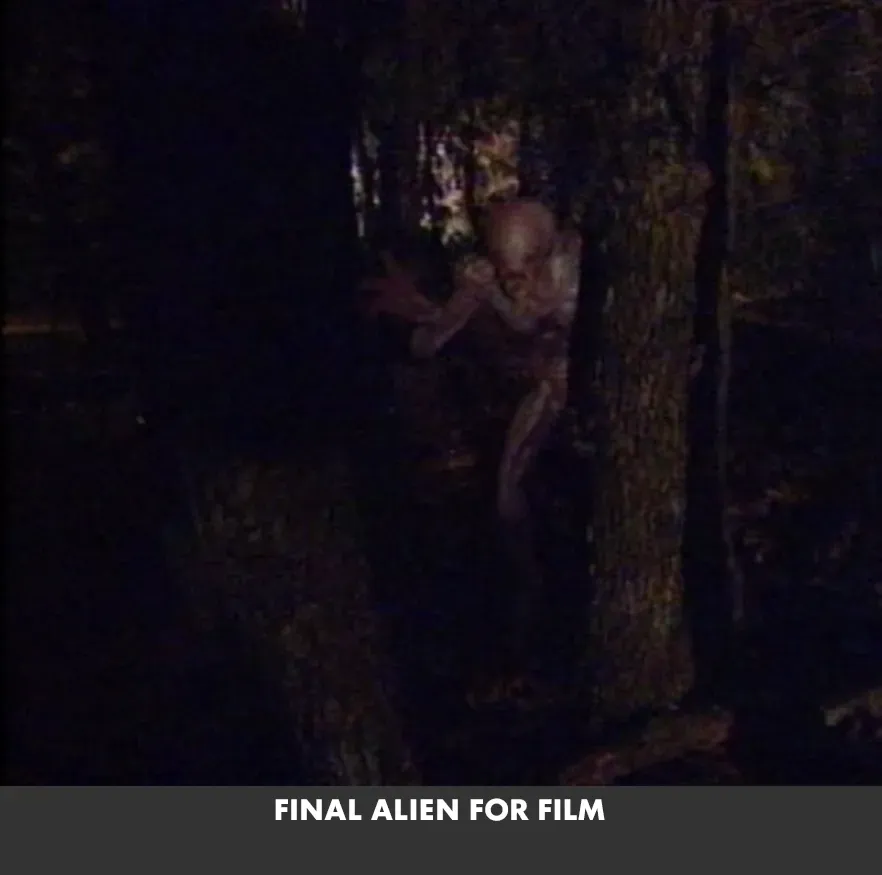
My original concept drawing of the Alien
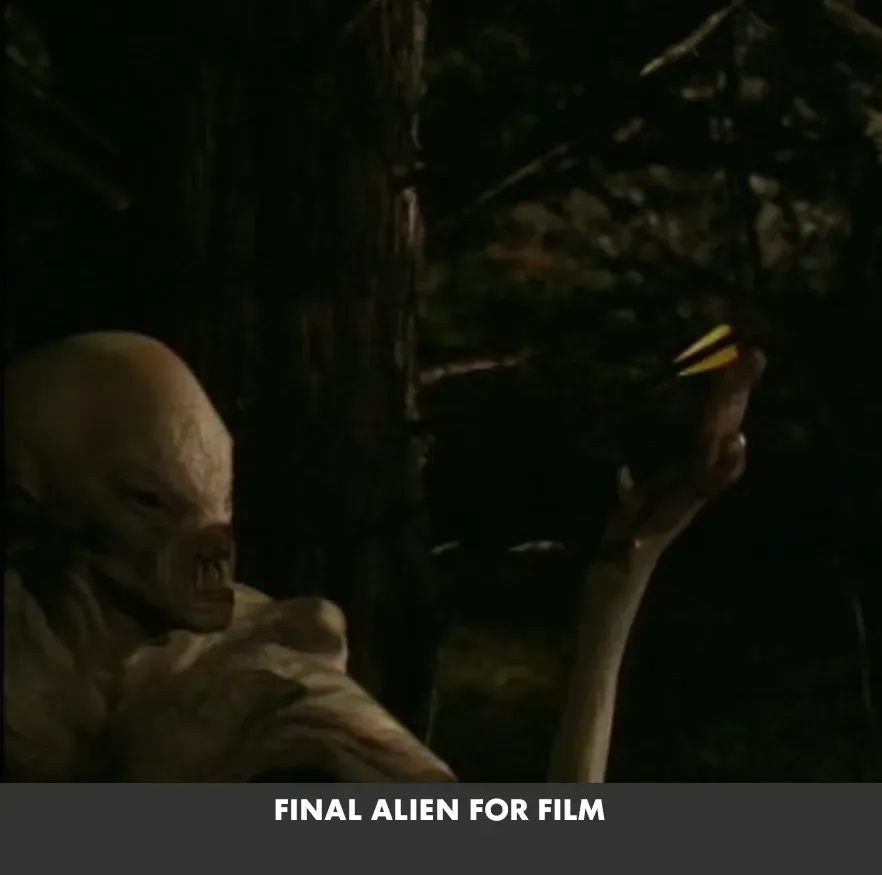
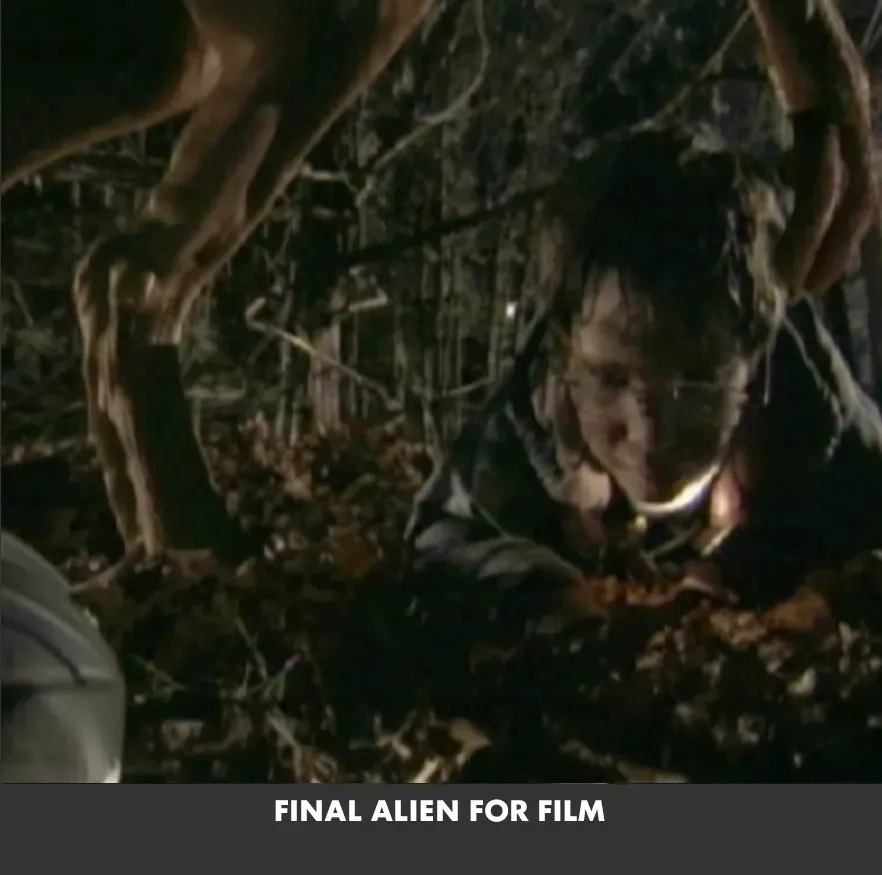
A great deal of time was spent in pre-production before the official meetings with Graymark and their production offices. I invested months creating storyboards, visual sequences, and designing an alien unlike the familiar "little gray" creatures seen in countless science fiction films. Instead of a thin, frail humanoid with oversized eyes, I envisioned an imposing apex predator that immediately felt dangerous the moment it emerged from the woods. The goal was to create something audiences couldn't instantly understand or emotionally connect with.
The creature was designed as a fusion of a silverback gorilla and a shark, combining the immense strength and ground-dominant movement of an ape with the smooth, leathery skin of a marine predator. It had no eyes, relying instead on an extraordinary sense of smell through olfactory receptors located in its hands. Every reach of its massive fingers became a way of "seeing" the world through scent rather than sight. Without eyes to meet or expressions to read, the creature felt completely foreign, making every encounter unsettling because neither the characters nor the audience could relate to or predict its behavior.
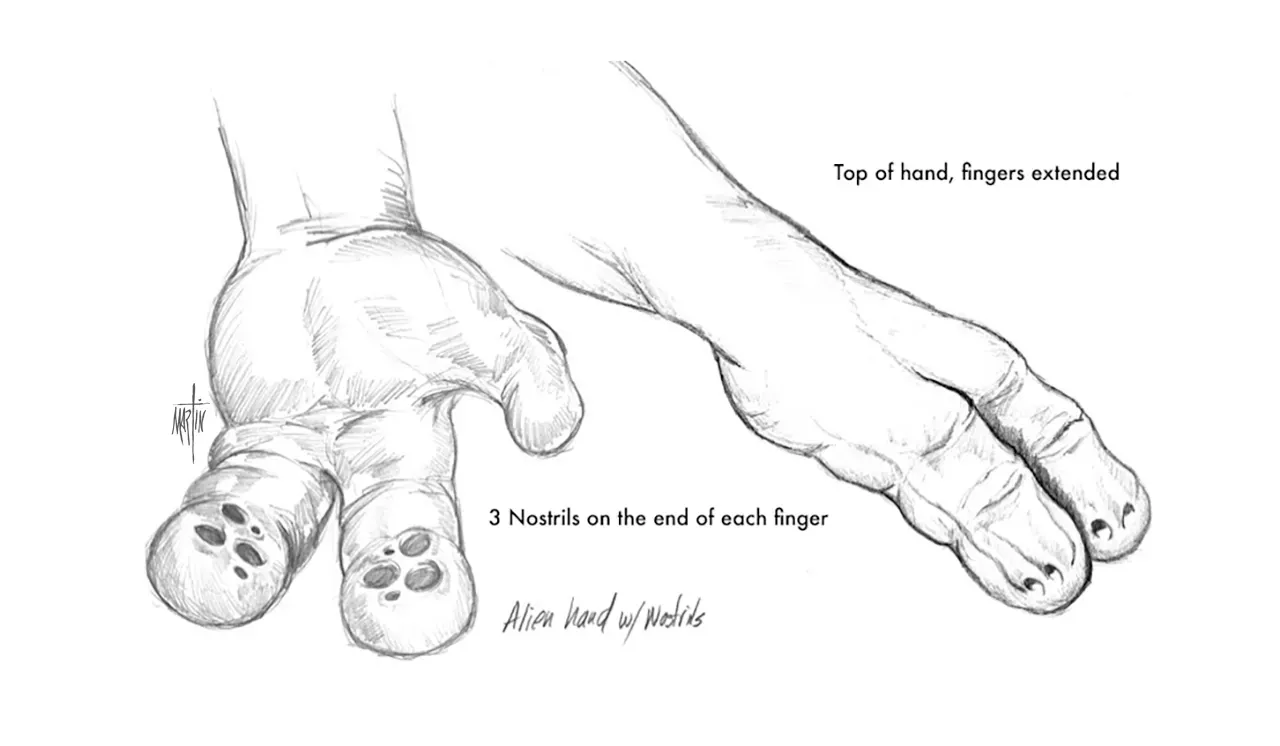
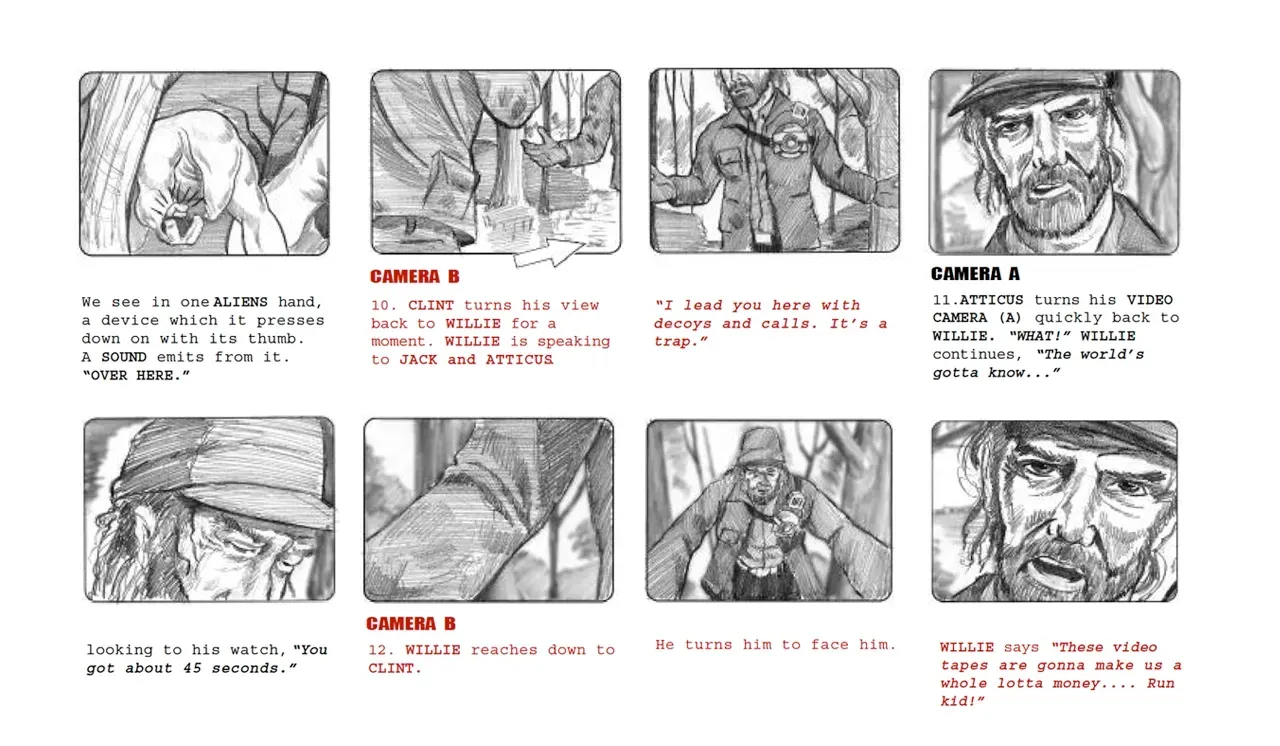
ConceptUAL ART FIRST ENCOUNTER
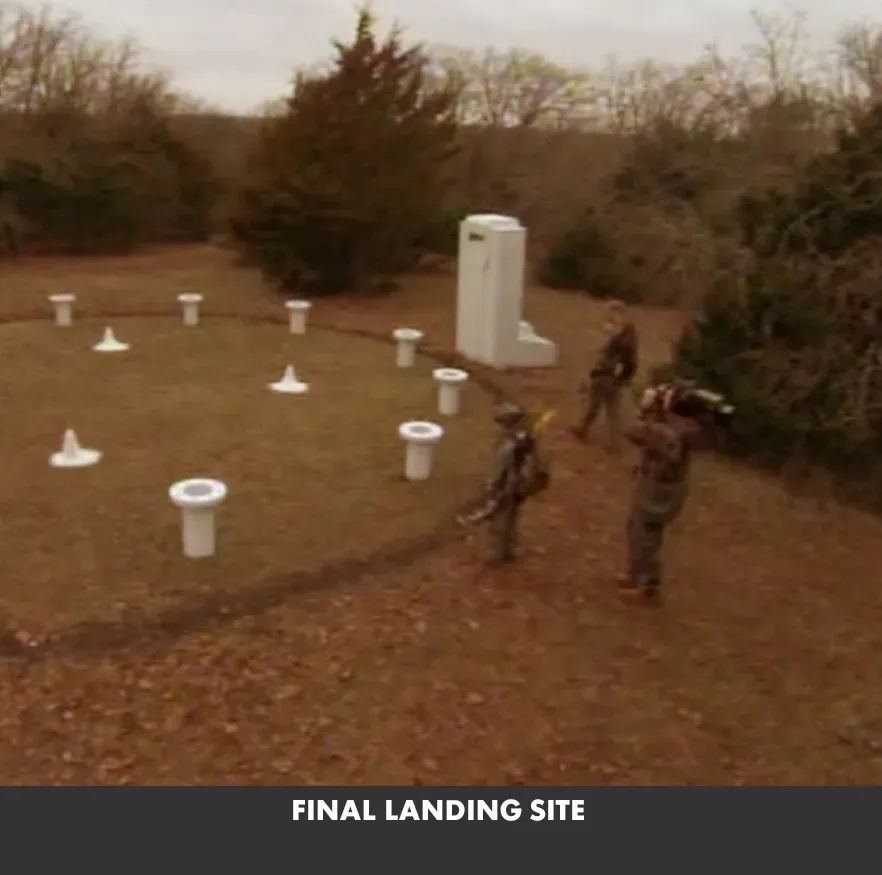
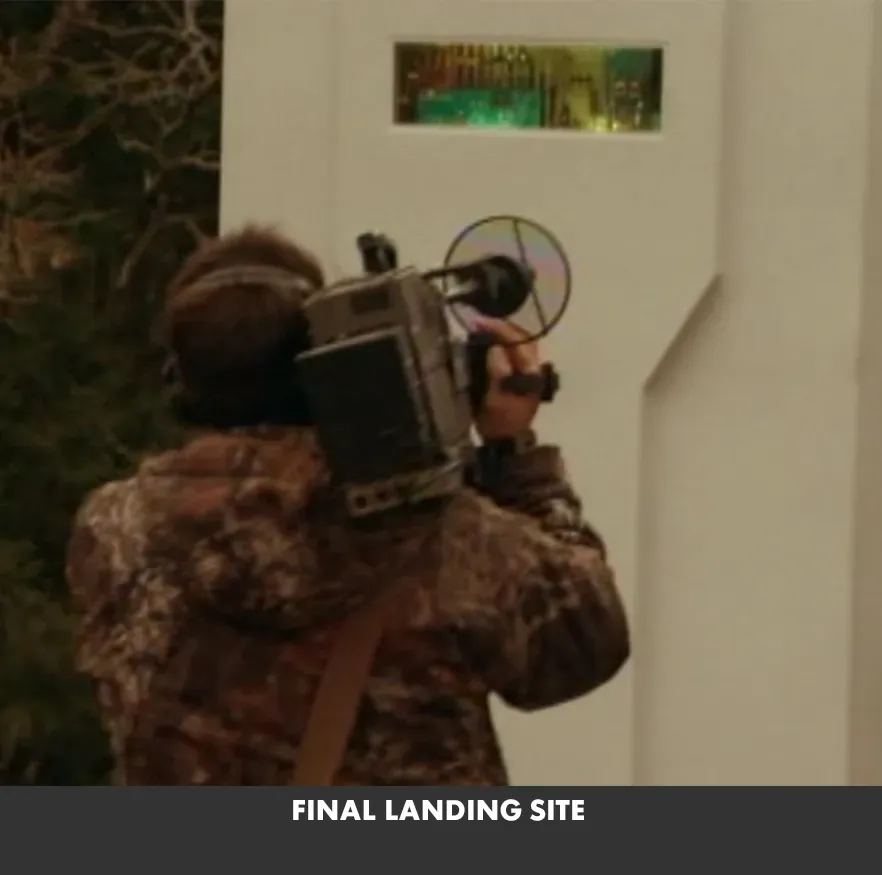
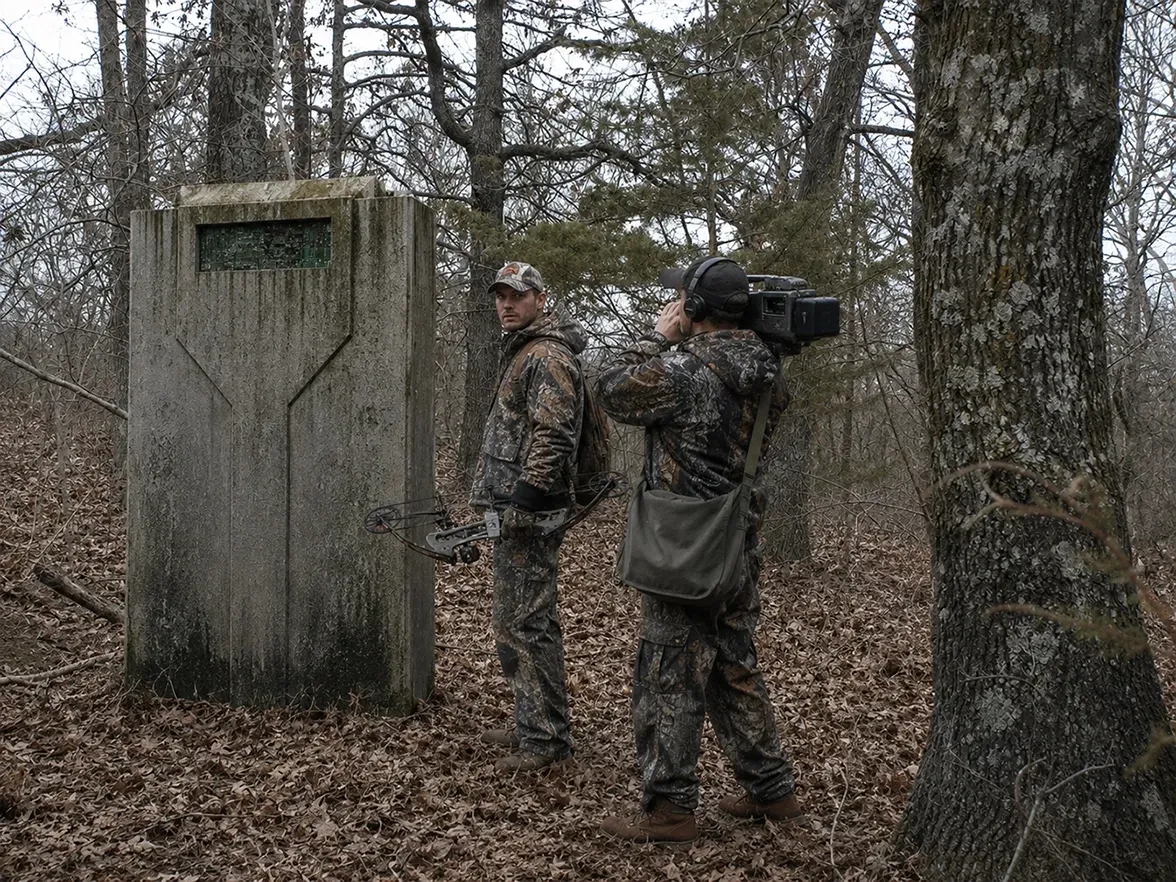
Concealed behind a tree, Jack watches the creatures move confidently through the woods, afraid that the slightest movement will reveal his position. His mind races back to the strange gray structure he and Atticus discovered earlier protruding from the forest floor. At the time, it looked like nothing more than an abandoned industrial relic, but standing there now, the impossible truth begins to sink in. Whatever that mysterious object is, it has something to do with the beings silently moving through the trees before him.
One of my goals was to completely reverse the traditional alien encounter. These weren't frightened creatures hiding in the darkness. They were apex predators moving through their own territory without fear, because they had no reason to fear humans. Presenting them this way transformed the entire tone of the film, turning what began as a deer hunt into a fight for survival.
ConceptUAL ART LANDING SITE